
Websites
How Much Does a Small Business Website Cost in 2026?
Quotes for the same website can range from $0 to $20,000, and most owners have no way to tell what they're actually buying. Here's what drives the price, what each tier really gets you, and where the money is wasted.

· 3 min read
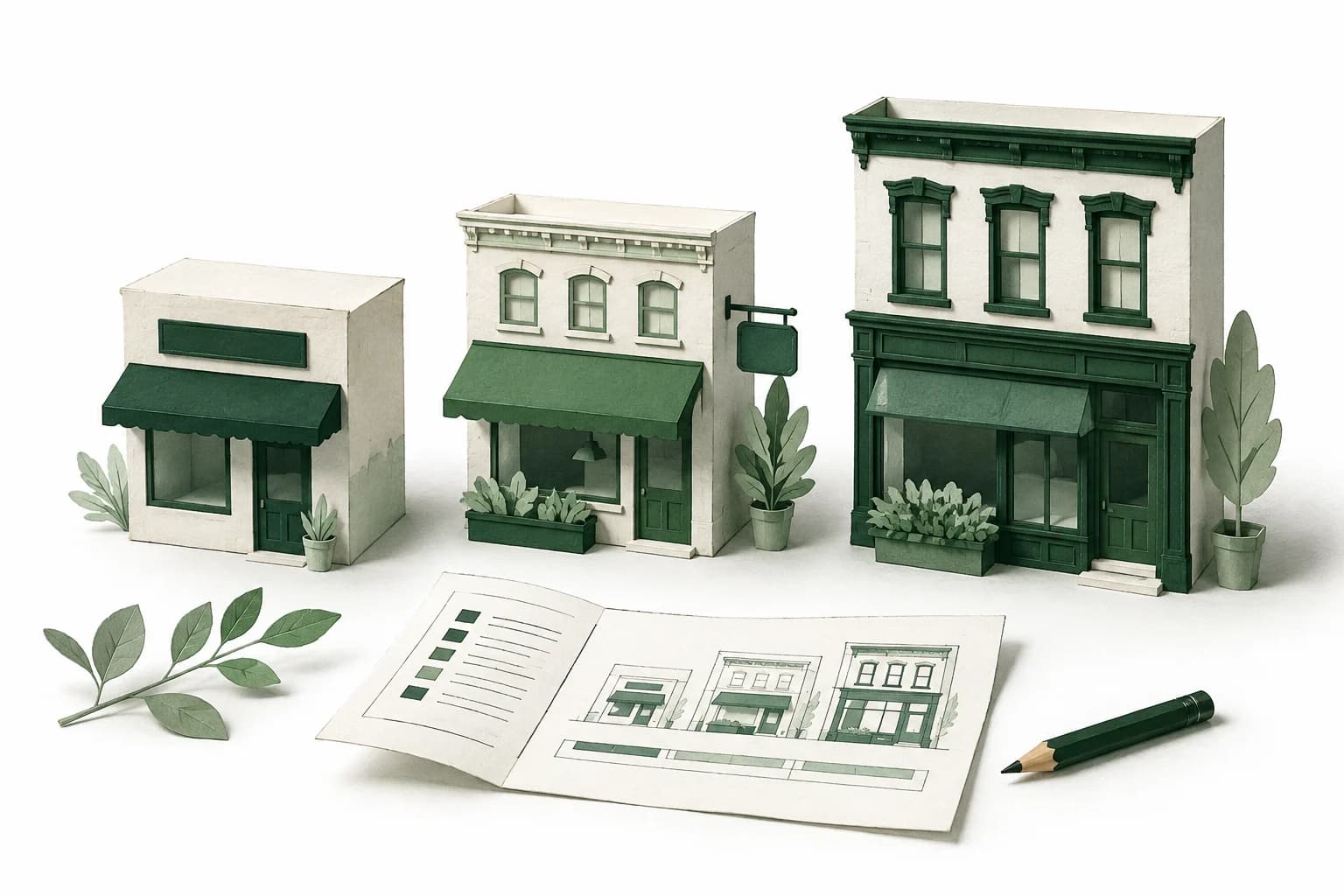
Ask five people what a small business website costs and you'll get five answers spread from free to $20,000. All five can be technically true, which is exactly why the question feels impossible. The honest answer is that the price depends on which outcome you are buying, and the outcomes on offer are very different products wearing the same name.
The three tiers, in plain terms
DIY builders ($0–$40/month). Wix, Squarespace, and their cousins get a page online this weekend. For some businesses that's genuinely enough. We wrote about when DIY is enough. The cost that doesn't show up on the invoice is your time, the generic look, and the ceiling you hit the first time you need the site to do something the template didn't anticipate. And "free" tiers carry their own price, which we broke down in the real cost of a free business website.
Template customization ($500–$3,000). A freelancer or agency takes a pre-built theme and adapts it: your logo, your copy, your photos. This is the murkiest tier, because the range hides enormous variance in care. A $2,500 template job can be thoughtful and fast, or it can be an hour of find-and-replace. What you're really paying for is judgment, and judgment is hard to see in a portfolio screenshot.
Custom builds ($3,000–$20,000+). Someone designs and builds the site around your business: your customers, your services, the specific action you need visitors to take. The wide range tracks scope: a five-page lead-generation site sits at the low end; e-commerce, booking systems, portals, and integrations push it up. This is the tier where the site stops being a brochure and starts being equipment.
What actually drives the price
Pages matter less than you think; systems matter more. Adding a sixth page to a five-page site is cheap. Adding online booking, a quote calculator, a client portal, or a CRM integration is where cost lives, because those are small software projects, not pages.
Content affects both price and schedule. Website projects stall when nobody has written the words or gathered the photos. If a quote seems low, check whether it assumes you're providing all the content and whether that work is realistic for your team.
Speed and search need to be part of the build. Retrofitting page speed, structured data, and local search work after launch usually costs more than planning for them from the start. If a builder can't explain how they handle those areas, the low quote may be incomplete rather than cheap.
Where owners waste money
One expensive pattern is paying twice: a cheap site now, then a replacement eighteen months later when the first one never produced a lead. Another is paying for scope you don't need. Think of a $12,000 build with animations and a blog nobody will write, when the business needed five fast pages and a form that routes inquiries properly.
The fix for both is the same: define the job before you price the tool. If the site's job is "make us look legitimate and turn searches into phone calls," say that, and judge every quote by how directly it serves that sentence.
A realistic budget for a service business
For most local service businesses in 2026, a professionally built lead-generation site lands between $2,500 and $7,500, with hosting and upkeep running $30–$100 a month. Below that range, verify what's being cut. Above it, verify what's being added. Both questions have legitimate answers, but you deserve to hear them before you sign.
Carle Systems builds custom websites and lead generation systems for small businesses, with straight answers about what your project actually needs, including when the answer is "less than you were quoted elsewhere." Tell Hunter what the site needs to do and get a real number.